Krabi Island Tour
Visitor Feedback

4 Island Tour Krabi Review

Krabi's four-island circuit ranks among Thailand's most-booked day trips, yet visitor experiences vary widely depending on departure time, sea conditions, and crowd management. This review guide compiles feedback from travelers who completed the route between early 2025 and September 2026, focusing on what works, what disappoints, and how to set realistic expectations before booking.

10 min read Updated 2026-09-30 Fact-checked
4 Island Tour Krabi Review

Quick answer

Recent 4 island tour krabi review data shows consistent praise for Phra Nang Cave Beach and the Tup Island sandbar, while Chicken Island's snorkeling and Poda Island's brief stop receive mixed feedback. Most visitors rate the tour 4 out of 5, citing scenic variety and good value, but note that departure timing significantly affects crowding—boats leaving after 10:00 encounter congested beaches and reduced snorkeling visibility. The 200 THB national park fee is payable in cash at the pier.

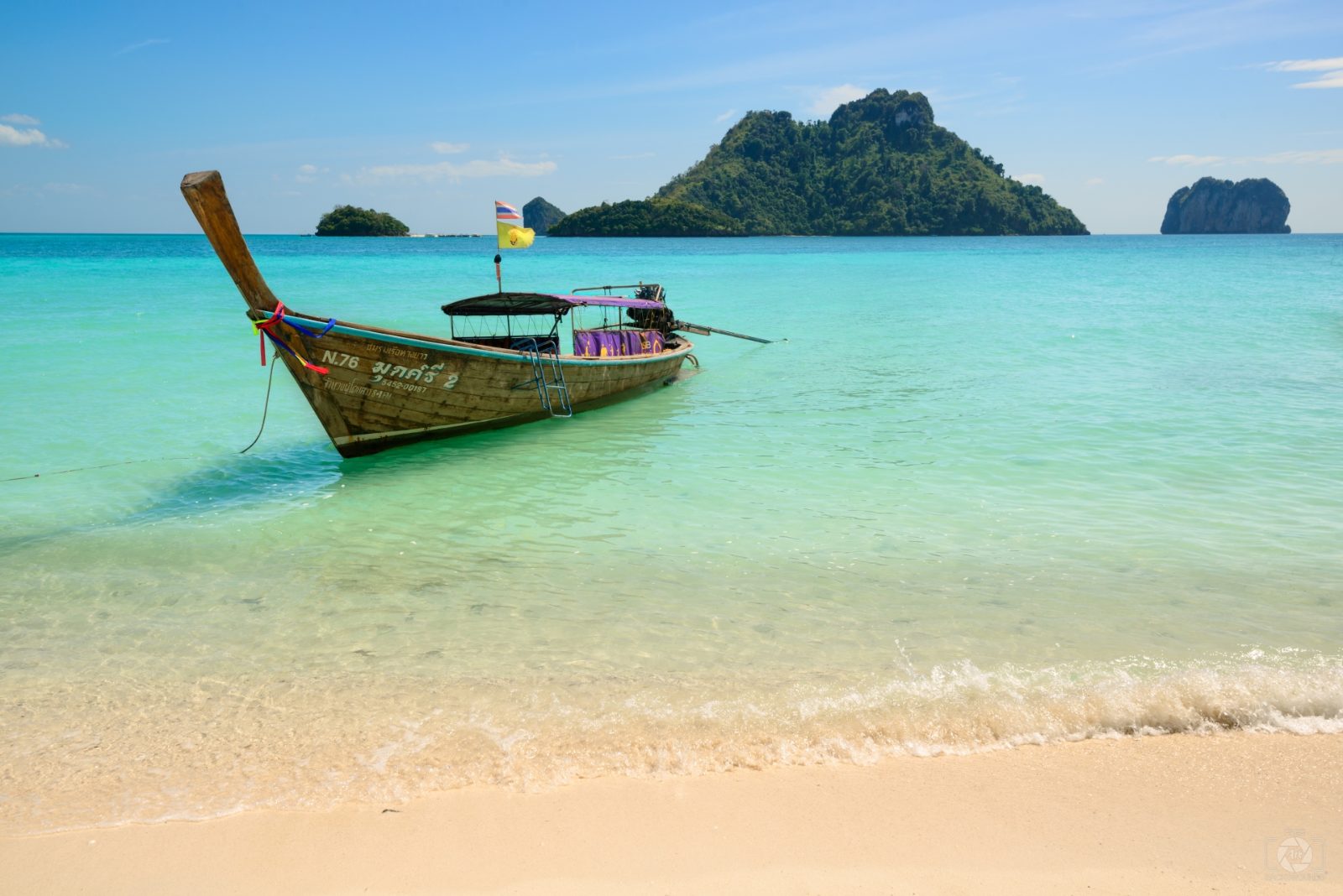
Longtail boats departing Ao Nang carry an average of twelve passengers per vessel, and the quality of the experience hinges on factors many first-time visitors overlook until they are already underway. The Krabi four-island circuit follows a fixed route: Phra Nang Cave Beach on Railay Peninsula, Tup Island with its tidal sandbar, Chicken Island's coral formations, and Poda Island's powdery shore. Feedback from the 4 island tour krabi review pool reveals that Phra Nang consistently earns the highest marks—travelers cite the cave shrine, limestone karst backdrop, and clear shallows as highlights. Tup Island's sandbar appears only at low tide; visitors arriving during high water express disappointment when the connecting strip remains submerged. Chicken Island's snorkeling draws polarized reactions: early-morning groups report decent coral and tropical fish, while midday arrivals describe murky water and sparse marine life due to sediment stirred by dozens of anchored boats. Poda Island typically serves as a brief photo stop rather than a swimming destination, and several reviewers note the stop feels rushed. Crowd density emerges as the single most-cited variable affecting satisfaction. Tours departing between 08:00 and 09:00 encounter fewer vessels at each island, allowing more spacious beach access and calmer snorkeling zones. Groups leaving after 10:30 report congested shores and limited space to spread towels. Sea conditions also matter: the Andaman Sea remains calmest from November through April, while May through October brings afternoon chop and occasional rain squalls that curtail snorkeling time. Visitors consistently recommend confirming whether lunch and snorkeling gear are included, as some operators charge separately. The national park conservation fee of 200 THB per person is collected in cash at the departure pier and is non-negotiable. Sunscreen choice affects the experience—reef-safe formulas prevent contributing to coral bleaching, a concern voiced by environmentally conscious travelers in recent feedback. Waterproof phone cases prove essential, as spray from the longtail's bow soaks the front rows during transit between islands. Reviewing Krabi's island-hopping feedback before departure helps align expectations with the realities of shared-boat logistics and tidal schedules.

“Phra Nang Cave Beach consistently earns the highest marks, while departure timing determines whether you share the sandbar with a handful of travelers or several dozen.”
Timing

Best Time and Arrival Window for a 4 Island Tour Krabi Review

The best arrival window for a 4 Island tour is 08:00–10:00. Arriving during this period allows visitors to experience calmer waters and avoid the peak mid-day congestion at major stops.

November to April

High congestion during peak season

Dry, sunny weather averaging 28°C to 32°C

This period offers the most predictable sea conditions for island hopping. Visitors should plan for early departures to maintain a quieter experience at each island.

May to October

Lower visitor numbers generally

Humid with periodic rain, 25°C to 30°C

While rain showers are more frequent, the lower volume of tourists can make for a more relaxed trip. Flexible scheduling is necessary to account for potential weather changes.

Weekday mornings

Minimal compared to weekends

—

Mid-week tours generally see fewer participants than weekend trips. Prioritizing an early start remains the most effective strategy for managing crowd levels.

Verdict: The best time to visit is during the dry season from November to April, specifically aiming for a weekday arrival between 08:00–10:00.

Itinerary

Standard Itinerary Expectations for a 4 Island Tour Krabi Review

Most operators follow a similar route visiting all four islands between 08:00 and 16:00, though exact timing varies by tide and weather. This sequence gives you a realistic view of how the day unfolds.

08:00–09:00

Departure and Koh Poda

Longtail boats leave Ao Nang or Noppharat Thara Beach for Koh Poda, where you'll have 45–60 minutes to swim and explore the white sand beach. Arrive early to avoid the rush of tours that depart mid-morning.

10:00–11:00

Koh Tup and Koh Mor

Walk the exposed sandbar connecting these two islands during low tide, a window that typically lasts 2–3 hours around mid-morning. Bring water shoes for the rocky patches near the shore.

11:30–13:00

Lunch and Phra Nang Cave Beach

Most tours stop at Railay for a Thai lunch (usually included), then move to Phra Nang Cave Beach for swimming and cave exploration. The 200 THB conservation fee is collected here in cash.

13:30–15:30

Snorkeling and Free Time

Guides choose snorkeling spots based on current conditions, often near Koh Si or shallow reefs around Phra Nang. Water clarity peaks before afternoon winds pick up.

16:00

Return to Pier

Boats head back to the departure point, arriving by late afternoon. Factor in 30–45 minutes for the return journey depending on sea conditions.

What to see

Notable Landmarks and Sights During a 4 Island Tour Krabi Review

The 4 Island tour focuses on the distinct geological formations and coastal features of the Krabi archipelago. These landmarks range from exposed sandbars to vertical karst cliffs rising from the Andaman Sea.

Talay Waek

Talay Waek

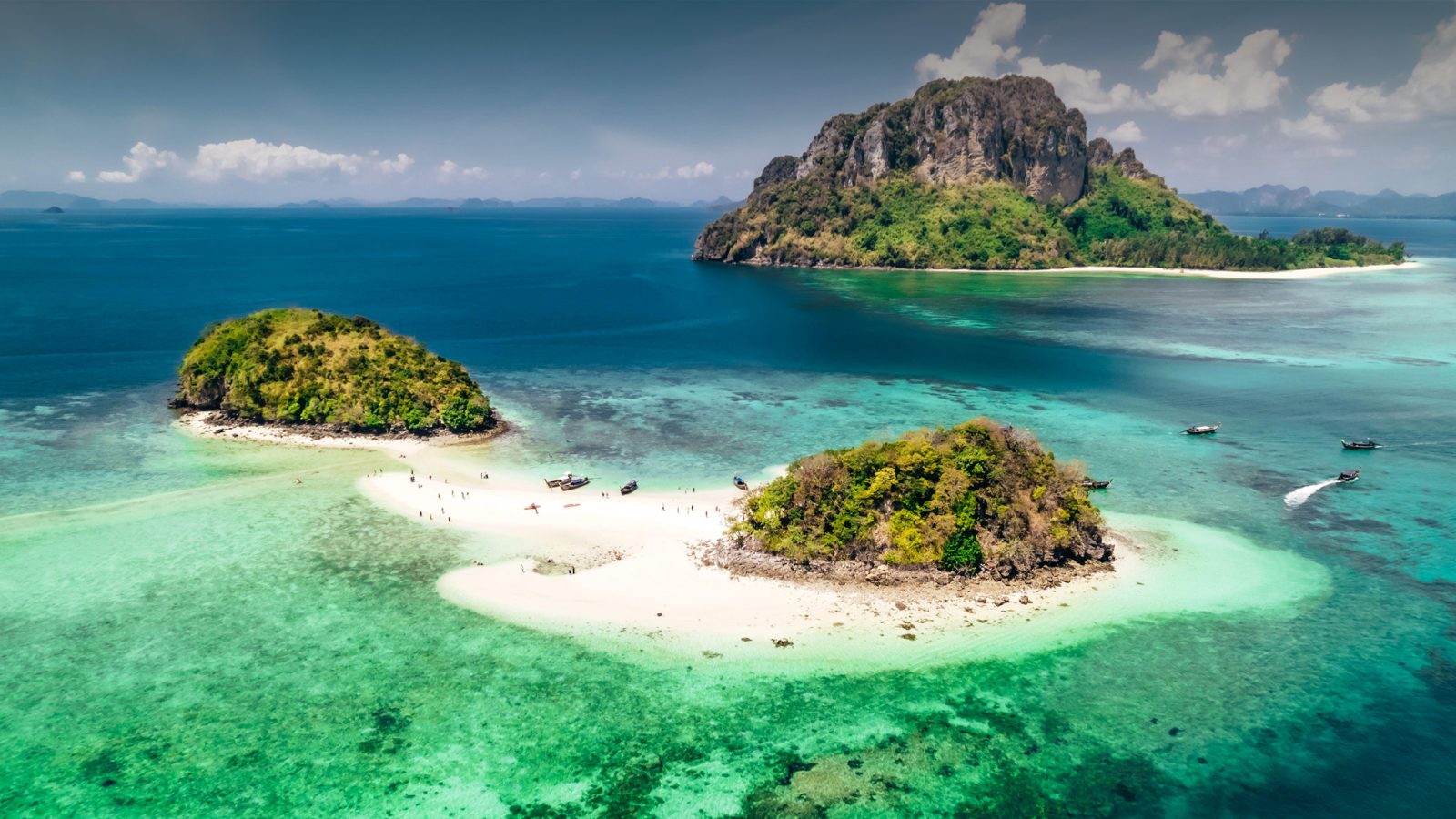
This natural sandbar connects Koh Tap and Koh Mor at low tide, creating a walkable pathway between islands. Visitors can walk across the exposed sand to observe local marine life in shallow pools.

Visit during low tide to walk the sandbar completely.
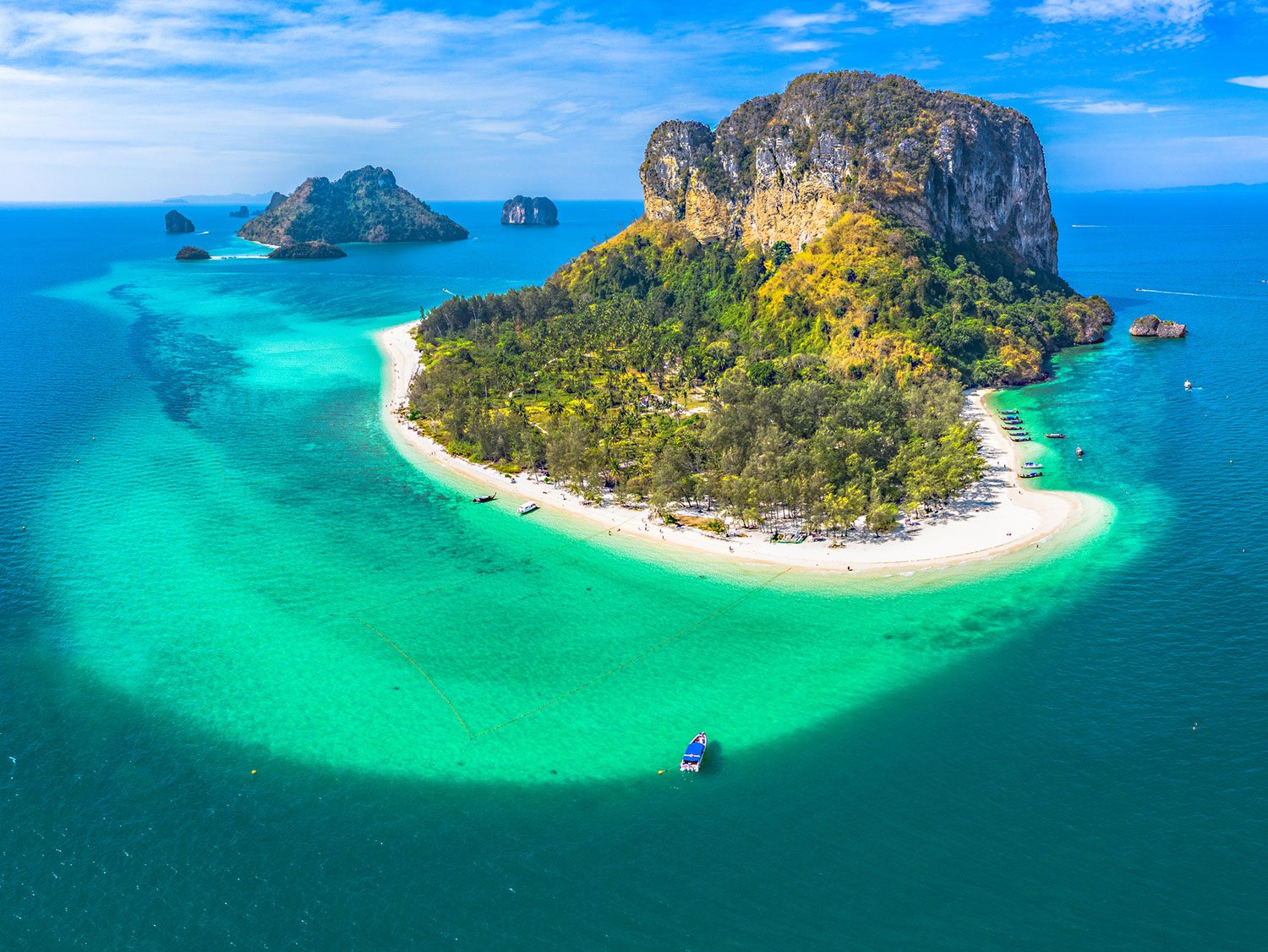
Koh Poda

Koh Poda

Known for its prominent limestone cliff and long, wide beach, this island offers clear water and dense pine forest borders. The scenery is dominated by the large karst rock formation near the shoreline.

Walk to the far end of the beach for fewer crowds.

Koh Kai

Koh Kai

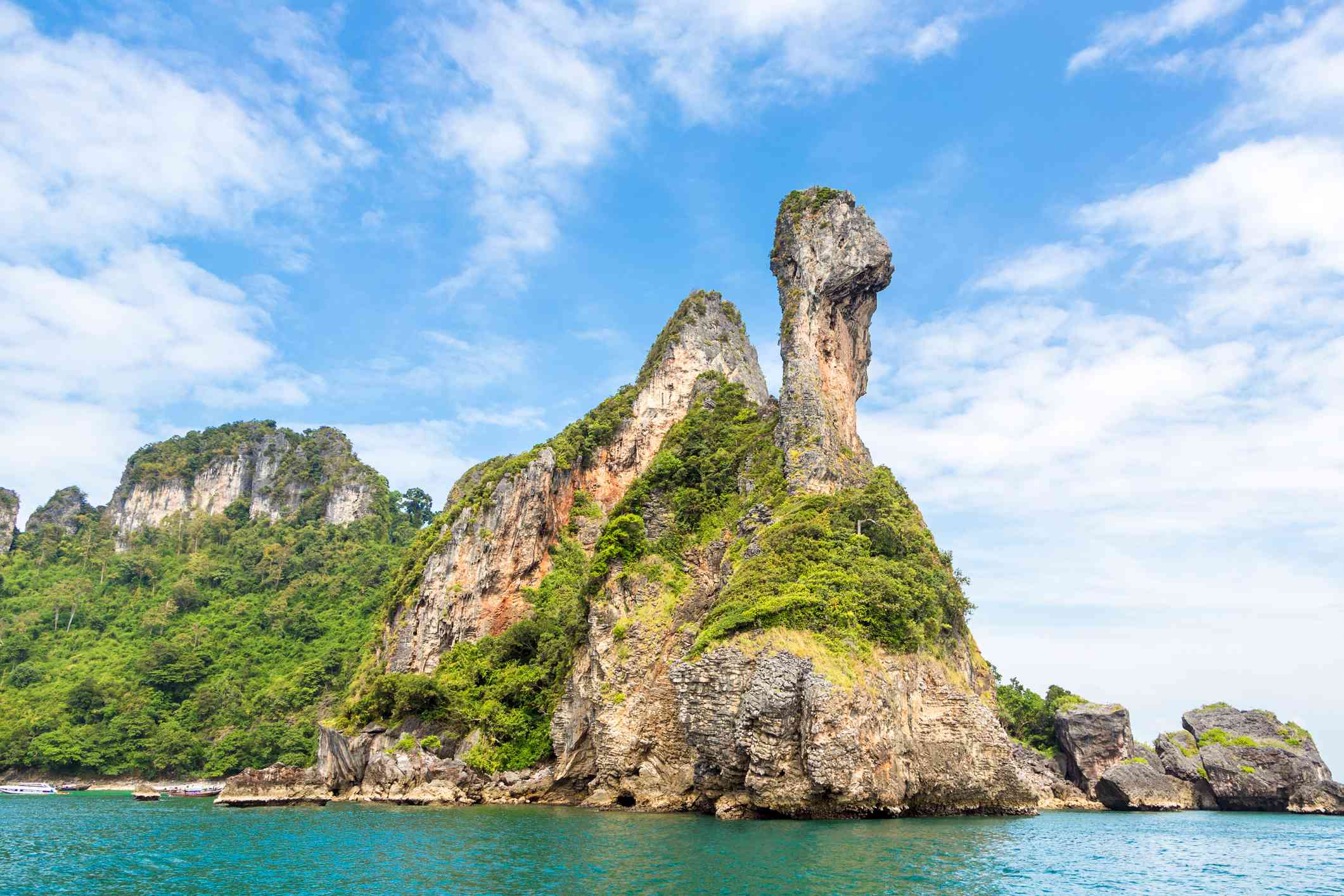
Often called Chicken Island due to the distinctive shape of its rocky crag, this site provides a focal point for photography. The island is primarily composed of rugged limestone formations surrounded by coral reefs.

View the rock formation from the boat before landing.

Koh Mor

Koh Mor

A smaller island adjacent to the sandbar system, featuring rocky outcrops and clear surrounding waters. It serves as a quieter alternative for snorkeling during peak hours.

Snorkel on the outer edges to see coral growth.

Opening hours

Opening Hours for a 4 Island Tour Krabi Review

The national park area access for the 4 Island tour operates daily throughout the week.

Monday
08:00–18:00
Tuesday
08:00–18:00
Wednesday
08:00–18:00
Thursday
08:00–18:00
Friday
08:00–18:00
Saturday
08:00–18:00
Sunday
08:00–18:00
Visitors should coordinate their arrival with their selected tour operator's departure schedule within these operating hours.
Avoid these

Common Mistakes to Avoid in a 4 Island Tour Krabi Review

Most visitors enjoy the tour without incident, but a few recurring oversights can disrupt the day. The fixes are straightforward once you know what to watch for.

Boarding without cash for the 200 THB conservation fee

The fee is collected at the pier and operators accept only Thai baht. Withdraw cash beforehand or exchange currency at the mainland before departure.

Skipping reef-safe sunscreen and relying on regular lotion

Standard sunscreen damages coral and some tour operators will ask you to rinse it off. Pack reef-safe (non-nano zinc or titanium) formulas to protect both skin and marine ecosystems.

Bringing only a single small water bottle for the full day

Six to eight hours on the water under direct sun requires sustained hydration. Carry at least two liters per person or confirm your operator provides refills.

Wearing new footwear that hasn't been broken in

Rocky shore entries and wet boat decks cause blisters with stiff sandals or water shoes. Test your footwear on a shorter walk before the tour or bring a backup pair.

Leaving valuables unsecured on the longtail during island stops

Boats often drift or crews rearrange seating while passengers snorkel. Store phones and wallets in a waterproof pouch you keep with you, not loose on a seat.

Book

Check availability

Frequently asked

Frequently asked questions about 4 island tour krabi review

Everything you need to know about 4 island tour krabi review

What should I expect from a 4 island tour krabi review?

A 4 island tour krabi review generally highlights the coastal scenery, limestone cliffs, and clear water found at Koh Poda, Koh Gai, Koh Tub, and Koh Mor. Visitors often comment on the sandbar formation and the visibility for marine life spotting. Most feedback emphasizes the beauty of the Andaman Sea coastline.

Is the Krabi island hopping excursion suitable for families?

Travelers often find this island hopping trip appropriate for families due to the relatively short boat transits and shallow swimming areas. Kids generally enjoy the sandbar walks and shallow snorkeling spots found during the excursion. It is wise to confirm your operator provides life jackets for all age groups.

What is the typical entry fee for the national park?

All visitors are required to pay a 200 THB conservation fee per person. This fee is payable in cash directly at the pier or entry point to the park authorities. Please keep your receipt handy as it may be checked at multiple stops.

Are there specific operating hours for the Krabi 4 Islands?

The park is open daily from 08:00–18:00, covering Monday through Sunday. These hours apply to the national park area encompassing the islands. Always check with your local boat operator for their specific departure schedules.

When is the best time to visit the islands?

The best arrival window is between 08:00–10:00 to avoid mid-day crowds and enjoy calm morning waters. Early departures allow you to experience the sandbar before the majority of larger tour groups arrive. Arriving early also provides a more relaxed atmosphere for photography.

What mistakes should I avoid according to a typical 4 island tour krabi review?

Many travelers mention that failing to bring enough sun protection or ignoring the tide times are common errors found in a 4 island tour krabi review. It is also recommended to bring sufficient cash for the conservation fee and personal expenses. Planning your trip around tide charts can ensure you see the sandbar at its best.

Does every 4 island tour krabi review mention snorkeling gear?

While many visitors mention snorkeling in their feedback, gear inclusion varies by operator. Most boat tours provide basic masks and snorkels for use during the trip. It is helpful to verify this inclusion before your departure to ensure you are prepared for the marine environment.

How do I reach the Hat Noppharat Thara-Mu Ko Phi Phi National Park?

The islands are located within the Hat Noppharat Thara-Mu Ko Phi Phi National Park, Krabi, Thailand. Access is primarily handled by longtail boat or speedboat operators departing from Ao Nang or Noppharat Thara piers. These operators facilitate the transit to the protected park zone.

Keep reading

More guides & pages